Thinking about trying to conceive? How to prepare your body and mind
Deciding to start a family is a hugely exciting step — full of hope, excitement, and (often) a few nerves too. But the process involves many moving parts. For some people, the road to parenthood is straightforward. For others, it’s a longer, more emotionally demanding journey than they ever expected.
This can apply whether you’re trying with a partner, solo, with a donor, through IUI/IVF, or after previous losses.
As a nutritionist who’s been through IVF multiple times, I’ve learned one core lesson: trying to conceive — whether naturally or via IVF — is easier to navigate when you go in prepared.
This article will help you build the foundations that can make the whole process feel steadier, more supported, and more sustainable before you get started.
Why preparing to conceive matters more than people think
What my experience has taught me is that IVF doesn’t start on your first injection, and trying naturally doesn’t start with your first “let’s see what happens” month. It starts months earlier — with your baseline — and it’s not always the part people get much support with.
Instead, a lot of the advice people receive can be a little too narrow:
Take folic acid (sometimes vitamin D)
Track ovulation / understand your fertile window (and plan intercourse or treatment as relevant)
Avoid alcohol / stop smoking
Follow the clinic protocol
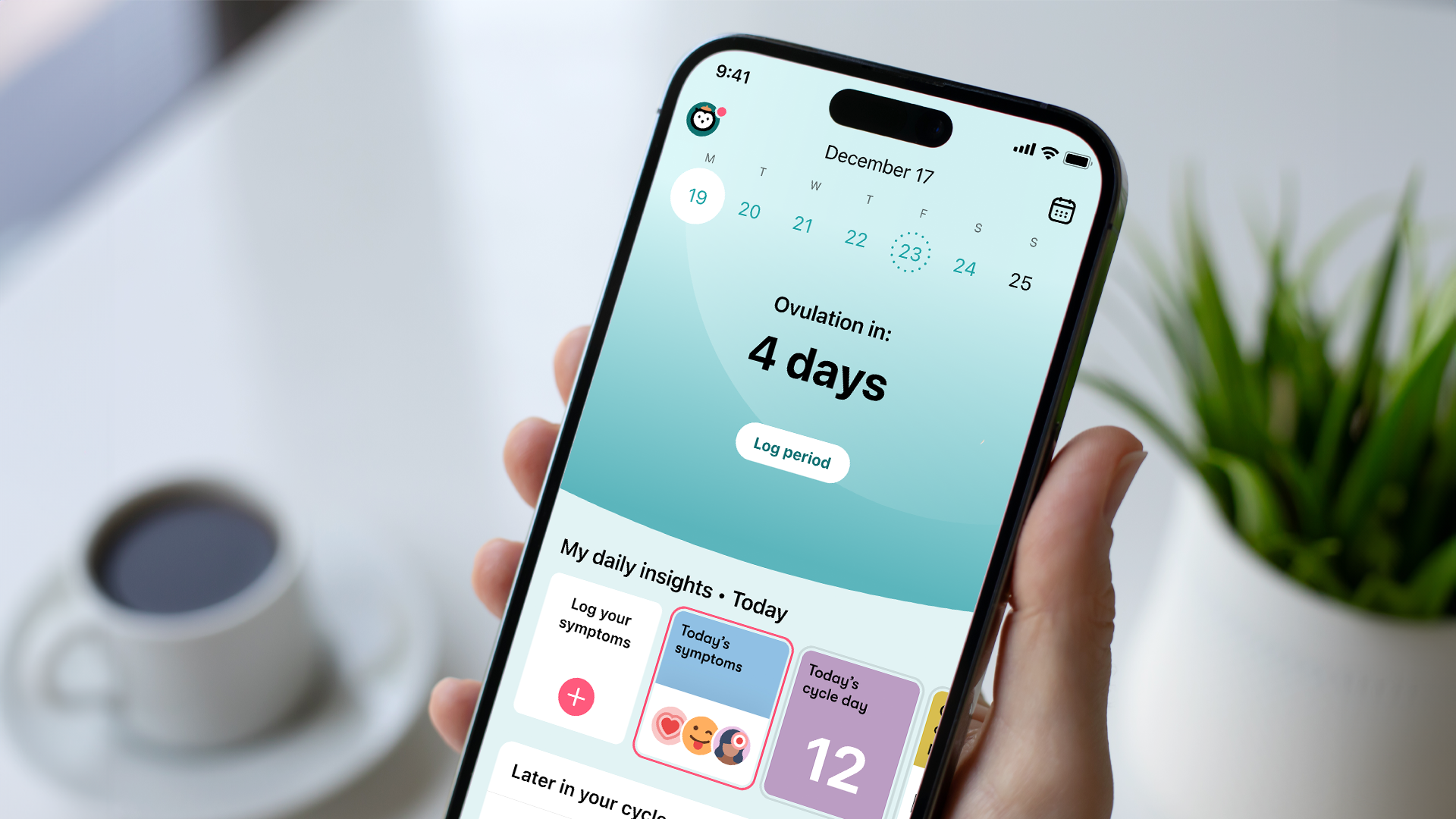
Using a fertility tracking app can be a really helpful way to understand your cycle when you’re trying to conceive (image courtesy of Flo Health)
Of course, all of that matters, but it’s not the whole story.
Your baseline — what you’re eating, whether you’re getting enough energy, how you’re sleeping, your stress load, your support network, how your body is coping day-to-day — shapes how you experience the process. A steadier baseline can make the process easier to tolerate, especially when things feel unpredictable.
I promise this information isn’t intended to worry you. It’s about giving you a realistic way to feel more stable and supported going into something that can be intense and unpredictable. It’s about resilience, and giving yourself the best possible chance of feeling steady and supported through it.
And here’s why.
The reality: what IVF can demand of you
IVF aims to help you conceive — but it can also demand a lot — physically, mentally, logistically, and emotionally. Most people find it exhausting in some way, even when things go well.
The physical toll
Physically, IVF can involve:
Hormone stimulation: bloating, discomfort, fatigue, headaches, mood changes
Multiple procedures: appointments, scans, blood tests, injections, recovery days
Recovery and waiting periods: the “two-week wait,” after a transfer can feel brutal
Unpredictability: changes to protocol, cancelled cycles, unexpected responses and results
Knowing what to expect and going into it as well supported as possible, physically, makes it easier to plan, prepare, and cope as each step arrives.
The mental toll
IVF can also disrupt your emotional baseline. People often experience:
Patterns: Hypervigilance, rumination, comparison, isolation
Relationship strain: different coping styles, intimacy changes, communication breakdowns
Identity knocks: it can bring up grief, anger, self-blame, or a sense of loss of control
The mental load isn’t a side effect. It's part of the process. The good news is: with the right preparation and support, you can meet it with far more confidence.
What often gets missed
Let me be clear, it’s not that clinics don’t care, far from it. Many fertility clinicians are exceptional, and I’ve certainly met some who go above and beyond. It’s simply that many clinics (not all) aren’t set up to do deep lifestyle work.
That’s where your preparation matters.
In my work as a nutritionist, my goal is to help you enter the conception journey feeling well-fuelled, clear-headed, and supported.

My aim is simple: to help you feel nourished, supported, and confident — so you’re not going into this journey running on empty.
During a Fertility Focus Consultation, we’ll typically cover:
A nutrition assessment and baseline check: To make sure you’re meeting your needs now, and building the nutrient reserves and steady energy that matter for the months ahead.
Lifestyle review (the practical stuff): Stress, sleep, work demands, movement, and recovery — so your routine supports conception instead of quietly undermining it.
Support planning: Who’s in your corner, how you’re going to cope on hard days, and what you need in place before things ramp up.
The IVF / trying to conceive readiness check
If you’re thinking about trying to conceive, take a moment to reflect on the following:
Physical readiness: what to pay attention to
Energy:Do you regularly feel depleted?
Sleep: Are you getting consistent, restorative sleep?
Stress load:Do you feel like you’re running on empty?
Movement: Does exercise make you feel energised and strong, or drained and flat?
Digestion:Is your gut coping with your daily diet and lifestyle?
Cycles/symptoms:Have you noticed any red flags worth investigating?
Baseline blood tests (optional, but often helpful)
For a fuller picture, you might consider baseline blood tests before you start trying, especially if you have symptoms, a history of deficiencies, heavy periods, fatigue, or a long-term health condition.
You can:
explain your goal to your GP and ask what’s appropriate based on your history and/or symptoms. In general, NHS testing is more likely when there are symptoms, relevant risk factors, or a medical reason to investigate
explore private options (at-home kits or clinic blood draws), but costs vary, and they’re not essential
Nutrition readiness: Can you support your body through this right now?
Conception and pregnancy are energy-demanding by nature — you’re building a whole new life. Add IVF into the mix, and the overall load increases again (appointments, sleep disruption, stress, physical side effects, uncertainty).
For some people, the journey to conception can begin in a depleted state through no fault of their own. Often it’s not one big thing — it’s a handful of small pressures that add up, such as:
Under-eating (often unintentionally)
Overtraining or not recovering properly
Chronic stress
Low iron / low vitamin D
Low omega-3 intake
Inconsistent protein across the day
And here’s the key point — this can happen when you have the very best of intentions because a diet can look healthy on paper and still fall short on energy and key nutrients.
Good nutrition is fuel, and in this phase, being well-fuelled can make everything easier to tolerate.
Mental readiness: preparing for the emotional side
Therapy can be an incredibly helpful tool during IVF, but my honest advice is to consider it before treatment begins, if you can.
Talking things through as an individual or with your partner/co-parent (if applicable) can help you to build:
coping tools for uncertainty
steadier communication
better decision-making under stress
a plan for what you’ll do if things don’t go as expected
Common challenges during fertility treatment include anxiety, control issues, grief, sex and intimacy difficulties, and resentment. Of course, support won’t remove the hard parts, but it can stop you feeling like you’re carrying them alone.
Finding the right therapist
Therapy is very personal. You might not click with the first person you try, and that’s okay. If possible, look for someone who specialises in fertility, and be gentle with yourself. Sometimes showing up is enough, especially when your energy is on the floor.
If private therapy isn’t accessible, you can explore:
NHS talking therapies for anxiety and depression (where available — in England, you can often self-refer).
Counselling through your fertility clinic (UK clinics should offer access, though what’s included varies from clinic to clinic).
Workplace Employee Assistance Programmes (EAPs) and low-cost counselling services
Charity support, such as Fertility Network UK’s free support line
If you’d like a specific private recommendation, I recommend Dr Louise Goddard-Crawley. She’s a counselling psychologist who previously worked for a decade as a senior fertility nurse, so she understands the realities of treatment and the emotional load that comes with it. She offers compassionate support alongside practical tools you can use throughout the process.
What to do before you start
Once you know you want to conceive, the last thing you want to do is wait. However, if it’s an option, give yourself at least a 4–8 week prep window. You don’t need to overhaul your life, just build a stronger baseline.
Choose your support team: one or two trusted people for regular check-ins (your partner/co-parent if you have one, a friend or family member), plus any professional support you can access (therapist, nutrition support)
Book baseline bloods and review medications/supplements with your doctor
Review your diet with a focus on having balanced, nutritious meals
Prioritise sleep (even small changes matter)
Adjust training if you’re depleted (prioritise recovery over intensity)
Set boundaries: who you tell, what you share, how you handle triggers (including social media)
Create an “IVF week” strategy: easy meals, appointment logistics, work flexibility, pre-planned rest (see ‘Build your “IVF week” buffer’ below for more on this)
Self-care will help to make this all sustainable
If this list is already making you think, “Cool… and when exactly am I meant to do all of that?”, I hear you! It is a lot.
Trying to conceive (and especially IVF) can quietly turn life into a series of appointments, decisions, and waiting. Ironic, really, that the very things that support your baseline (sleep, decent meals, time to decompress) are often the first to disappear.
This is why self-care is important. It’s how you stay resourced enough to keep going.
Think small
You don’t need a full wellness routine, just small, repeatable moments that help your body switch out of stress-mode (especially when you’re exhausted).
A few options that can genuinely help (choose what fits your life and budget):
A short daily walk (even 10–15 minutes counts)
A calm-down routine after work (shower, tea, meditation, phone away)
Acupuncture or reflexology if it feels supportive for you
Gentle movement that restores rather than depletes (stretching, yoga, Pilates)
A “non-negotiable” bedtime wind-down routine, even if it’s only 20 minutes
Time with someone who’s a good listener and makes you feel understood

Gentle exercise can help to boost health, energy, and mood (image courtesy of Mart Production)
Build your “IVF week” buffer
If you’re in treatment, plan for the intense weeks like you’d plan for a big work deadline:
Pre-prep easy meals (freezer options are very helpful)
Reduce non-essential commitments (you will need to say no to people you’d usually say yes to and that’s ok)
Schedule one restorative thing (walk, acupuncture, massage, warm bath, early night)
Give yourself permission to be “less productive” for a while. IVF is a job in and of itself
You’re allowed to slow down. You’re allowed to take breaks. And you don’t have to earn rest by burning out first.
Preparation is power
If you work through the steps above and realise you’re not quite ready to start trying (by whatever method), that’s not failure — it’s valuable information. And sometimes you don’t have the luxury of time. In that case, preparation can run alongside treatment.
Of course, preparation won’t guarantee outcomes. But it can change your experience — how you cope, how you recover, and how supported you feel throughout the process.
If you’d like nutrition support, you can book a Fertility Focus Consultation or start with a free intro call to see if we’re a good fit. Either way, you’ll leave with more clarity and a plan you can actually stick to.
This article is for education and support and isn’t medical advice. Always follow your clinic’s guidance and discuss supplements and medications with your healthcare provider.