Gut health: improve your microbiome with probiotics, prebiotics and polyphenols
Gut health is a hot topic right now—and for good reason. I see (and have experienced) first-hand how much a thriving gut microbiome can impact not just digestion, but also immunity, skin health, and even mood. When your gut bacteria are in good shape, you feel it.
The thing is, we all have trillions of microbes living in our gut—some are incredibly helpful, others less so. And when the balance tips in the wrong direction, that’s when issues can start. You might lose some of that beneficial diversity, giving the unhelpful bacteria a chance to take over. This imbalance is called dysbiosis, and it can cause a ripple effect through your whole body.
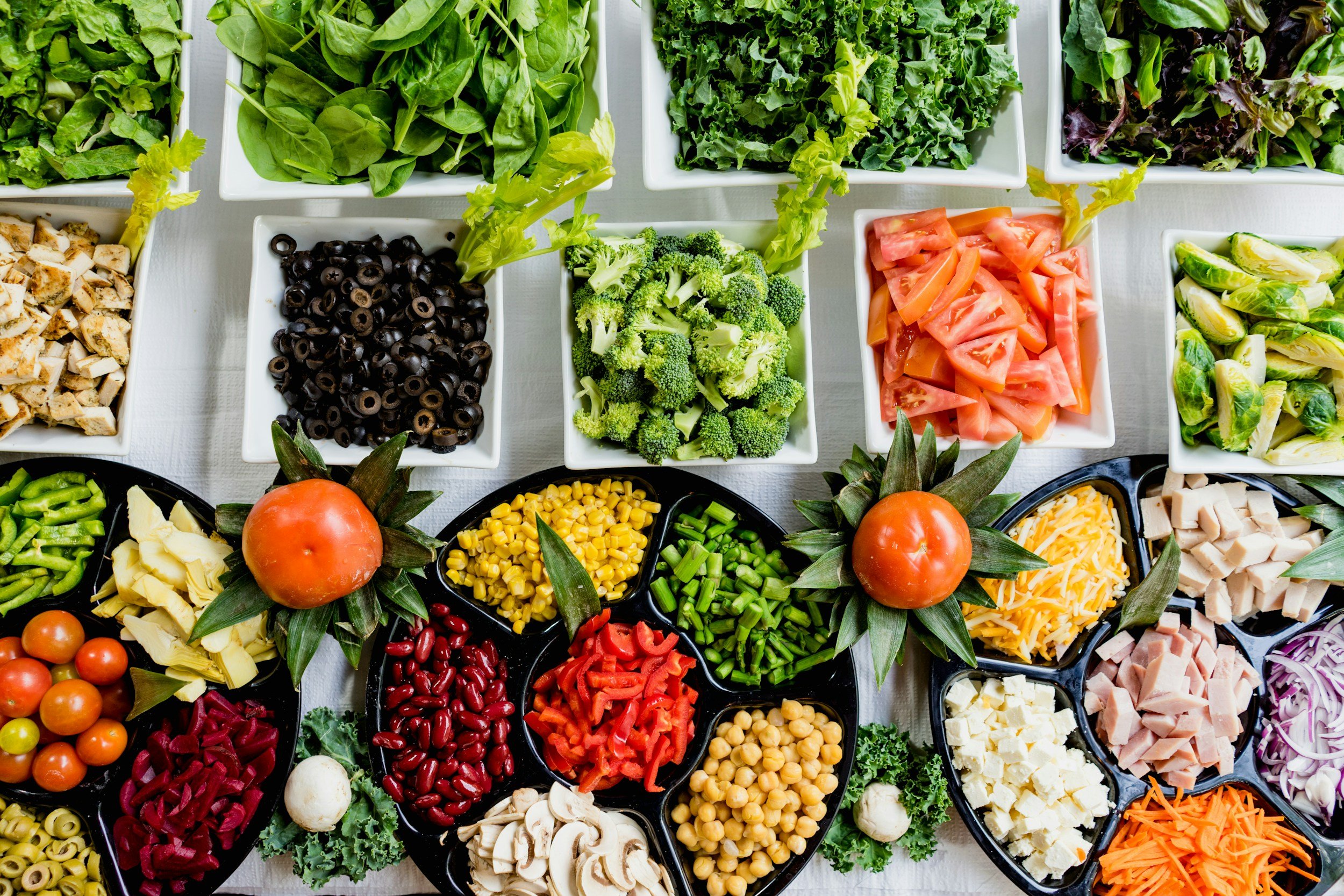
A diverse gut loves a diverse plate — colourful plants help feed beneficial microbes and support resilience when your microbiome is under strain.
Some of the signs I look out for with clients include
Persistent bloating or gas
Irregular bowel movements (constipation or diarrhoea)
Fatigue
Skin issues like acne or eczema
Increased food sensitivities or intolerances
Frequent infections or lowered immunity
If any of these sound familiar, it doesn’t necessarily mean your gut health is “bad”, but it can be a nudge to pay attention. The good news? There’s so much you can do to support your microbiome through the food you eat and the way you live your day-to-day life.
For most people, the starting point is adding more of the things your good bacteria love—and that means getting familiar with probiotics, prebiotics, and polyphenols.
Probiotics and prebiotics
Probiotics and prebiotics show up in many everyday foods and play different roles in gut health.
Probiotics
Probiotics are live microorganisms that are beneficial to our health. When people talk about “good bacteria,” they’re usually referring to probiotics. These helpful microbes support digestion, compete with harmful bacteria to crowd them out, and can also play a role in immune function.
Probiotic sources
If you eat a healthy diet, chances are, you’re already consuming both probiotics and prebiotics regularly.

Probiotics = “good bacteria” — fermented foods like live yoghurt can support digestion and help keep your gut ecosystem balanced.
There is a range of probiotic foods to choose from. These are some of the best:
Yoghurt (look for ‘live’ and ‘active cultures’ on the label)
Kefir
Sauerkraut
Kimchi
Kombucha
Tempeh
Adding a mix of these foods regularly can help keep your gut bacteria diverse and resilient.
Prebiotics
Prebiotics are non-digestible food components (typically types of dietary fibre) that help to support the growth of our good gut bacteria. They essentially feed our good bacteria (think of them as fertiliser!), so it can be helpful to think of them as good bacteria fuel! In feeding our good bacteria with prebiotics, we help them to grow and thrive, giving us a more stable microbiome.
Prebiotic sources
Prebiotics are readily available in plenty of whole foods, such as:
Apples
Asparagus
Garlic
Leeks
Onions
Oats
Raspberries
Tomatoes
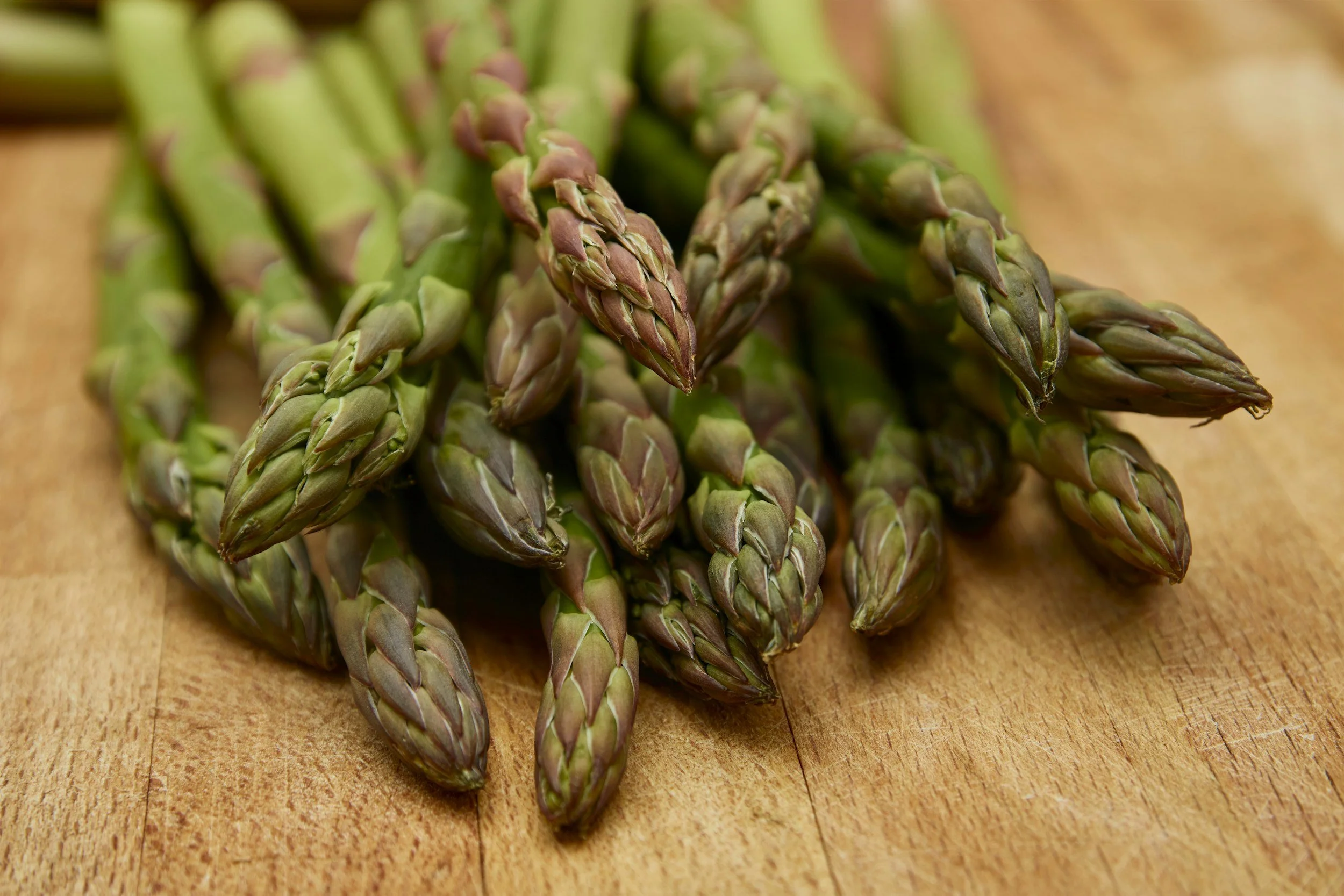
Prebiotics feed your “good” gut bacteria — asparagus is a simple, everyday prebiotic win.
Try including a variety, and don’t feel you have to eat the same ones all the time — different bacteria like different foods.
Polyphenols
Like probiotics and prebiotics, polyphenols, found in plants, play a role in nourishing your gut microbes. But, they have more than one string to their bow—they also act as antioxidants and have anti-inflammatory properties.
Polyphenol sources
Polyphenols come in many fruits, vegetables, herbs and spices, with good sources including:
Broccoli
Artichoke
Berries (blueberries, blackberries, blackcurrants)
Cloves
Rosemary
Thyme
Cocoa powder
Dark chocolate
These can be an easy win to add in—if you’re partial to a sweet treat, even swapping this for a few squares of good-quality dark chocolate is a step in the right direction.
Getting the balance right
When it comes to gut bacteria, no two microbiomes are the same, and balance looks different for everyone. Some people might benefit from more fermented foods, while others may need to slowly increase their fibre intake to avoid discomfort. As the saying goes, ‘listen to your gut’ and make gradual changes that you’ll be able to sustain over time.
A simple place to start is to add one food from each group—probiotics, prebiotics, and polyphenols—every day. Over time, you can build this into every meal. The key is variety and consistency, so avoid sticking to the same foods every time. This will help you to build and maintain a diverse environment where your gut bacteria can thrive.
How cooking and storage affect gut-friendly foods
How you cook and store food matters for gut health. Overcooking vegetables can reduce certain prebiotics and polyphenols, while light steaming can help preserve (or even enhance) them.
Storage also plays a role—heat, light, and air can all degrade polyphenols. For example, olive oil’s health benefits (and flavour) can fade quickly if it’s stored near the hob in a clear bottle. Keep it in a dark glass bottle, away from heat, to make it last longer.
Supplements
When it comes to supporting gut health, a whole food approach should always be the first port of call. Supplements like probiotics or prebiotic fibres can be helpful in some cases (e.g., after antibiotics or for specific gut concerns), but they’re not a one-size-fits-all solution.
If you’re considering a probiotic supplement, it’s worth speaking to a professional who can recommend the right strain for your needs. And when it comes to prebiotic powders, start small—they can cause bloating if you suddenly have a lot
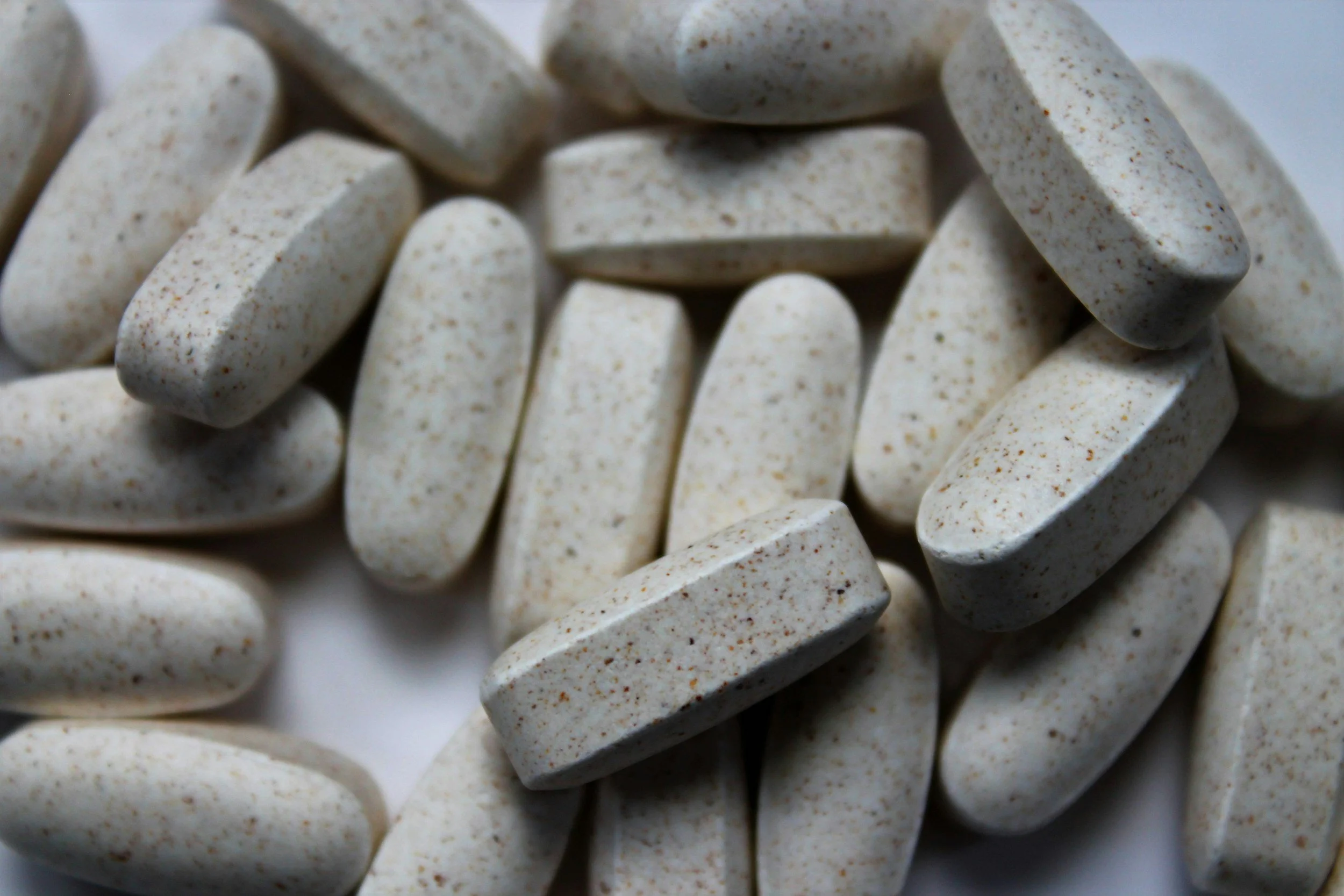
Supplements can help in the right context — but they’re not a shortcut. Food should always come first.
When to seek extra help
While many aspects of gut health can be supported through diet and lifestyle, there are times when professional guidance is essential. Here’s when to consult a professional for advice:
If you’re considering trying a supplement.
If you’re experiencing any symptoms of dysbiosis and suspect your gut health may be compromised. An expert can help determine whether gut imbalances are contributing to your symptoms and advise on appropriate steps for recovery.
If you’re considering using a gut microbiome testing kit. These are now widely available, but research in this area is still in the process of evolving and microbiome test results can be difficult to interpret without expert guidance.
Consider the lifestyle piece
While food plays a central role in gut health, it’s only one part of the picture. Always keep in mind that your daily habits—including how well you sleep, how often you move, your water consumption, and ability to manage stress—all influence the composition and balance of your gut microbiome. Even the best diets fall short if these other factors are out of balance. So think of gut health as something that lives not just in your meals, but in your overall lifestyle.