Women’s hormone balance: simple ways to reduce toxins
A nutritionist’s role is to look beyond just the food we eat. This means focusing on everything we put into or onto our bodies, and while diet is central, the products we use on our skin, in our homes, and for cleaning also leave a chemical footprint that our body has to process.
This matters especially for women, and even more so for those thinking about fertility. So what’s the right thing to do?
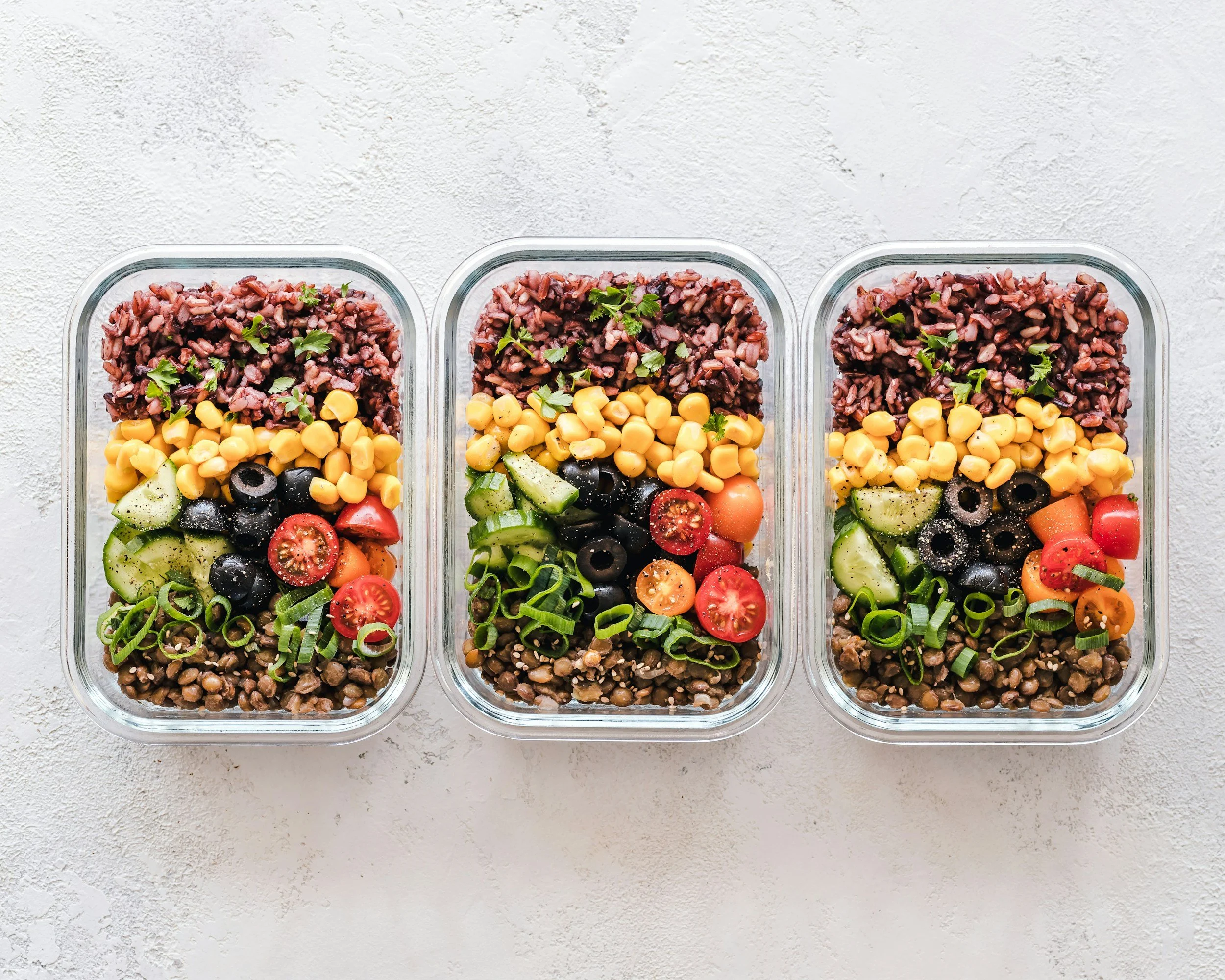
Simple toxin-reduction habits can include meal prep and storing food in glass to limit leaching from plastics
Step one is to think about reducing exposure to certain everyday chemicals, known as endocrine disruptors. Making a few small changes and doing this can go a long way in supporting hormone balance and reproductive health.
While we can’t eliminate every angle exposure in our modern world, small swaps can make a real difference. Here are some practical steps:
Packaging and plastics (BPA, Phthalates)
Unless you’ve already done a thorough review of your home for plastics, chances are you’ll find it everywhere—from storage containers and water bottles to household pipes and insulation and product packaging.
Two common chemicals of concern are BPA (Bisphenol A), which is used to make certain plastics and resins, and phthalates, which are added to plastics to increase their flexibility and durability. Phthalates are typically found in food packaging, cling film, and personal care products.
Practical swaps to reduce your exposure:
Use glass or stainless steel for food storage and bottles, especially when heating food.
Minimise canned foods as the linings often contain BPA. What’s more, acidic foods can increase the transfer of BPA from the lining to food so try choosing e.g. fruits and tomatoes in glass jars.
Avoid handling thermal till receipts when possible, as they commonly contain BPA. If you do have to take one, try to wash your hands soon after and before eating.
Personal care and fragrances
Personal care products are a significant source of hormone-disrupting chemicals, as what we put on our skin can be absorbed into the body. Perfumes, lotions, deodorants, shampoos, and cosmetics may contain phthalates (to hold fragrance) and parabens (as preservatives).
Practical swaps to reduce your exposure:
Choose fragrance-free or naturally fragranced products, as “parfum” or “fragrance” on the label usually signals phthalates.
Look for products clearly labelled “paraben-free” and “phthalate-free.”
Switch to natural deodorants, shampoos, and skincare with minimal synthetic chemicals. For ideas, check out the Independent article 9 best natural deodorants that are kinder to your skin.
Avoid synthetic perfumes, which usually contain undisclosed phthalates under the label “fragrance” or “parfum.” If you’d like to use scent, opt for essential oil–based or naturally fragranced options instead. Some companies have developed great toxin-free formulas. Personally, I love Medeau’s beautiful fragrance non-toxic range.
Simplify your routine—using fewer products overall can also reduce exposure.
Try apps like Yuka and Think Dirty to help you find clean formulations.
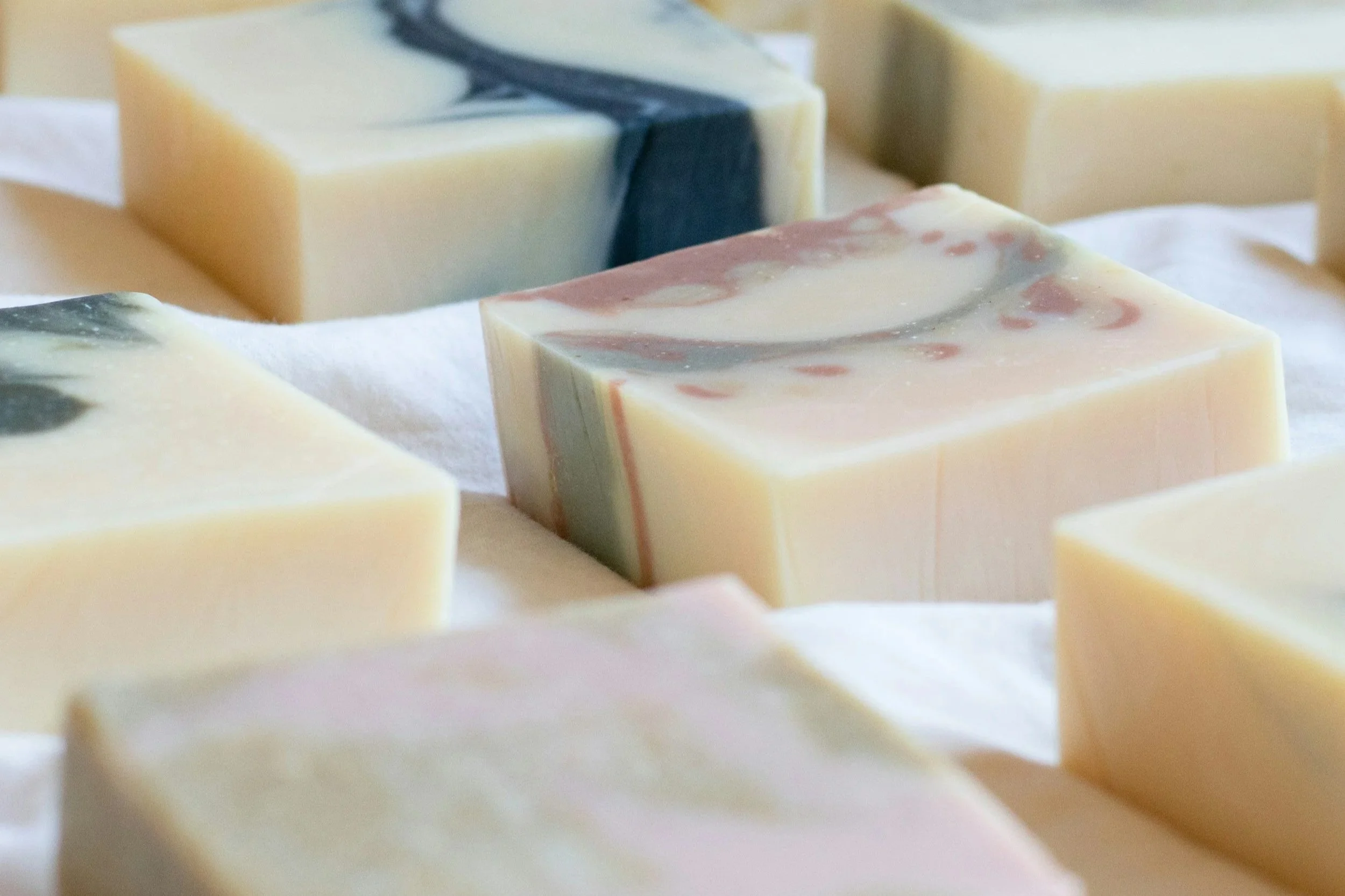
Small swap, big impact: simplify your routine by choosing fragrance-free/paraben-free products to reduce exposure to hormone-disrupting chemicals.
Cleaning and home scents
Household cleaners and artificial fragrances are another hidden source of endocrine disruptors. Many sprays, polishes, scented candles (I know, this is a rough one!), and air fresheners contain chemicals that can affect hormones when inhaled or absorbed through the skin.
Practical swaps to reduce your exposure:
Replace conventional cleaners with eco-certified brands, or use simple alternatives like vinegar, baking soda, and lemon juice.
Avoid air fresheners, plug-ins, and scented candles made with synthetic fragrance, which often contain phthalates.
Try essential oils in a diffuser or beeswax candles as cleaner alternatives for freshening your home.
Ventilate your home well after cleaning to reduce the build-up of chemicals in the air.
Food and drink
Even when you’re eating well, food can be a source of exposure to hormone-disrupting chemicals. Pesticides used in farming can leave residues on fruit and veg, and chemicals like BPA from packaging can leach into food and drink. While it’s impossible to avoid everything, being mindful about your choices can lower your overall toxin load.
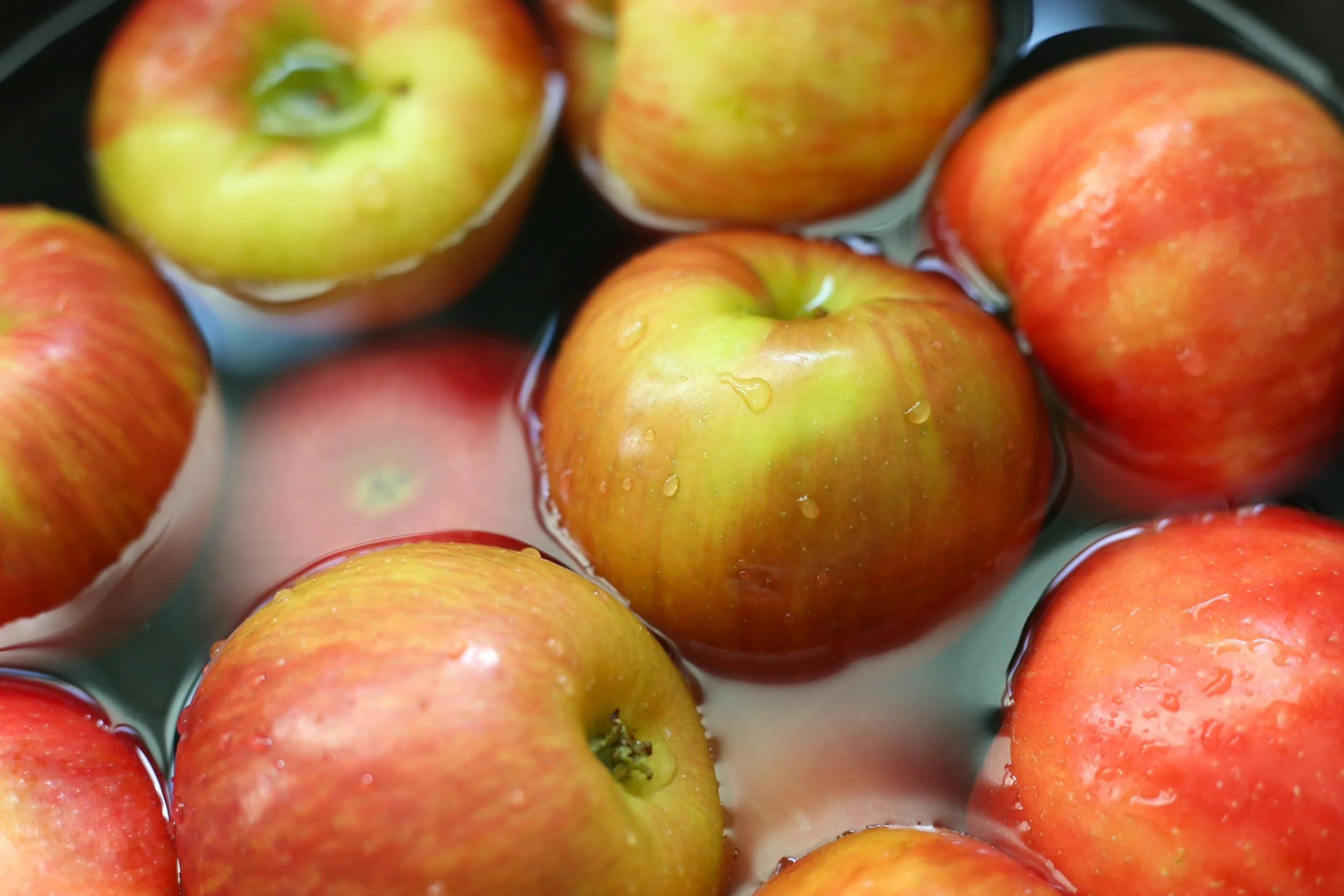
Washing produce matters: pesticides can leave residues on fruit and veg — a simple rinse/soak helps reduce exposure.
Practical swaps to reduce your exposure:
Always wash fruit and vegetables well, even if it’s organic, to remove surface residues.
Use a filter jug to filter your tap water if possible, to reduce contaminants. Opt for glass or BPA-free jugs. This article ‘Which water filter to buy’ contains a selection of suggestions (scroll down to Best water filter jugs UK).
Store food and drinks in glass or stainless steel, and avoid microwaving in plastic.
Minimise canned foods, as linings often contain BPA or similar substitutes.
Prioritise organic for foods on the Dirty Dozen list* (these have the highest pesticide residues). For 2026, these include:
Spinach
Kale / Collards / Mustard Greens
Strawberries
Grapes
Nectarines
Peaches
Cherries
Pears
Apples
Blackberries
Pears
Blueberries
*Note: While the Dirty Dozen is a US-based guide, it’s still a useful indicator of which fruits and vegetables often carry higher pesticide residues. In the UK, reports from the Expert Committee on Pesticide Residues in Food (PRiF) provide the most up-to-date local data on residues.
Reduce toxins one step at a time
This can feel overwhelming, but the key is to start with small, realistic changes. Swapping out plastics, simplifying personal and cleaning products, and choosing organic for the “Dirty Dozen” are straightforward steps that can help create a hormone-friendly environment—supporting your overall health and fertility.