How nutrition affects menstrual health: eating to support your cycle
If you have a monthly menstrual cycle, you don’t need me to tell you it’s more than just a once-a-month event. Over the course of each cycle, this constantly shifting rhythm influences almost every part of your body and reflects your overall health. In fact, some health professionals argue it should be considered the fifth vital sign (1)—right alongside temperature, pulse, breathing rate, and blood pressure as a key marker of wellbeing.
When you understand what’s happening in your cycle, you’re in a stronger position to support it—and one of the most powerful ways to do that is through nutrition. What you eat and drink doesn’t just fuel your body day to day—it also shapes how you experience your cycle.
From energy levels to mood, skin, and digestion, the food and hydration choices you make can have a noticeable impact on how you feel. If you’ve ever craved comfort foods during your period—only to find they leave you feeling worse—you’re not imagining it. Hormonal shifts really can drive cravings for quick-energy foods that may aggravate symptoms if we’re not mindful.

Your cycle isn’t “once a month” — it’s a shifting rhythm that affects energy, mood, digestion and cravings. Nutrition can change how you feel.
The good news? By tuning into your cycle and adjusting your nutrition along the way, you can support your hormones, ease common symptoms, and feel more balanced throughout the month.
Understanding your cycle
A typical cycle lasts around 28 days, but it can range from 21 to 35 days. It’s divided into four phases, which, depending on your cycle, can be marked by these day ranges:
Menstrual phase (Day 1–5) – Your period, during which your hormone levels are at their lowest.
Follicular phase (Day 6–13) – In this phase, oestrogen begins to rise, and energy often increases too.
Ovulatory phase (Day 14–16) – Now, oestrogen is at its peak, and you may feel your most energetic and sociable.
Luteal phase (Day 17–28) – In this final stage, progesterone rises, then falls. It’s not that PMS symptoms can appear if the shifts in your hormone trigger inflammation or blood sugar swings.
Each phase brings subtle (sometimes not-so-subtle!) changes in your body. Matching your food choices to these shifts can help keep hormones balanced, energy steady, and symptoms in check.
To keep track of your cycle, consider keeping a diary or using a digital app like Flo, Natural Cycles, or Clue.
Eating for your cycle
Here’s where it gets practical. Each phase of your cycle brings different shifts in hormones, and by adjusting your nutrition to match, you can work with your body rather than against it.
Menstrual phase: replenish and restore
Your period is a time of renewal, but bleeding also means iron losses. This is the moment to focus on iron-rich foods like lean red meat, lentils, spinach, pumpkin seeds, and tofu. Pair plant-based iron with vitamin C sources such as citrus, berries, broccoli, or peppers to boost absorption.
Warming spices like turmeric and ginger, along with anti-inflammatory choices like oily fish and leafy greens, can ease cramps. Also, keep hydration in mind, as it helps combat headaches and fatigue, which are common at this stage.
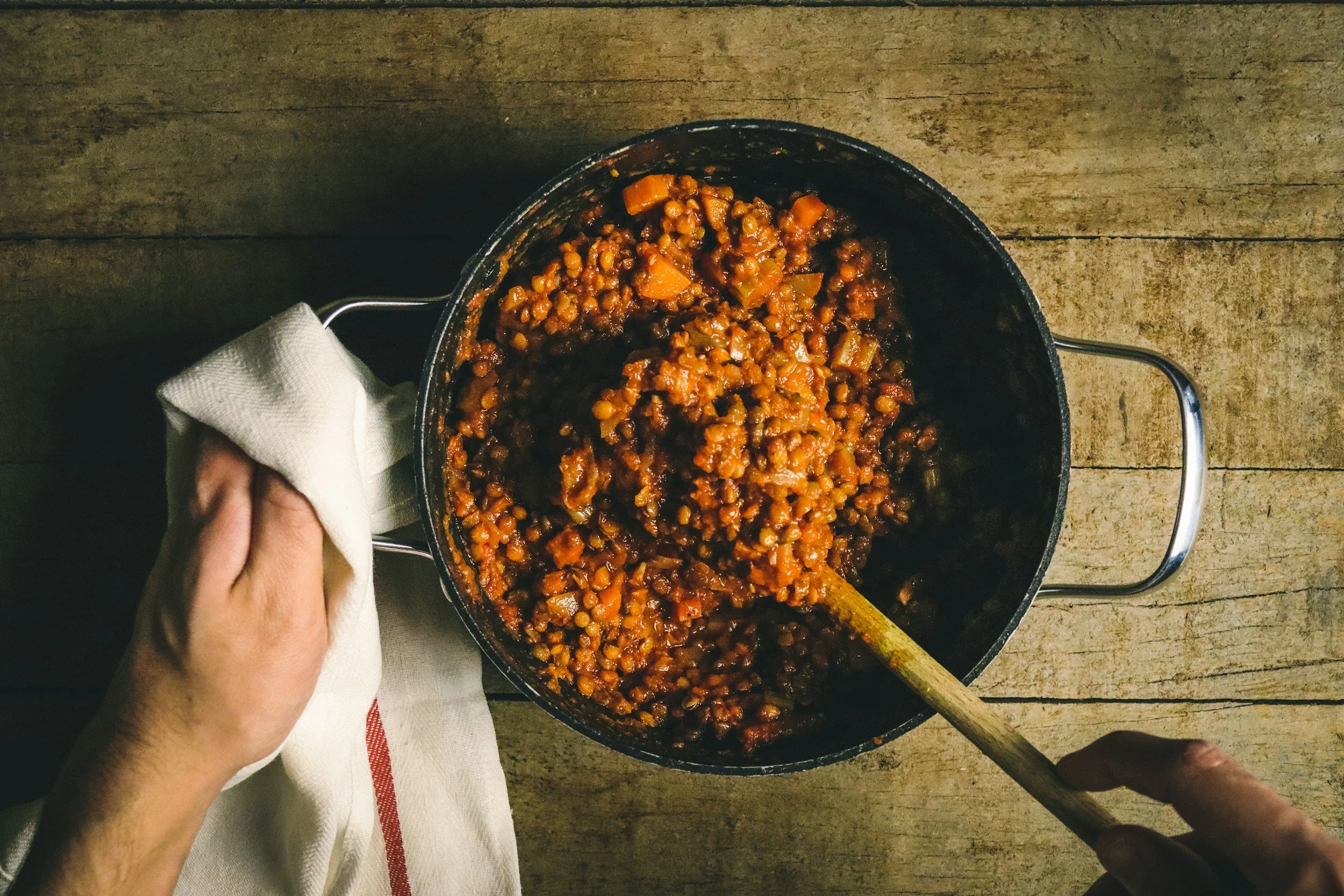
Period phase support in a bowl: lentils for iron, peppers for vitamin C and warming spices
Follicular phase: boost energy and support oestrogen
As oestrogen begins to rise, your energy often does too. This is a great window to enjoy fresh produce, lighter proteins, and fermented foods that support gut and hormone health. Cruciferous vegetables (broccoli, cauliflower, kale) aid healthy oestrogen metabolism, while healthy fats from avocado, olive oil, and nuts provide building blocks for hormone production and steady energy.
Ovulatory phase: support liver detox and hydration
Around ovulation, oestrogen peaks and your liver works harder to process hormones. Support this phase with leafy greens, beetroot, and fibre-rich foods that encourage detoxification.
Hydration is especially important at this point, too—not only for maintaining your cervical fluid (which your body produces more of at this time), but also for supporting temperature regulation, energy levels, and circulation. Drink water regularly and balance it with fresh foods that are naturally high in minerals, like cucumber, berries, and leafy greens.
Zinc-rich foods such as pumpkin seeds, seafood, and legumes are especially valuable, helping with ovulation, egg health, skin healing, and immunity.
Luteal phase: reduce PMS triggers
Many of us are all too familiar with this final phase—when PMS can pack its biggest punch.
This is the phase where your metabolism naturally increases. It’s normal to feel hungrier, and your body really does need more fuel. Lean into nutrient-rich foods to help you avoid feeling sluggish and tired.
To ease cramps, aid sleep, and calm unwelcome mood swings, prioritise magnesium-rich foods like almonds, dark chocolate, and leafy greens. Make sure your meals include plenty of fibre from wholegrains, beans, vegetables, and fruit—fibre helps balance blood sugar, supports digestion (which can get sluggish here), and even plays a role in healthy hormone metabolism.
Regular meals with protein, complex carbs, healthy fats, and fibre will keep energy steady and irritability at bay. Cutting back on refined sugar and ultra-processed foods is especially important now, as higher sugar intake is strongly linked with worse period pain and irregularities².
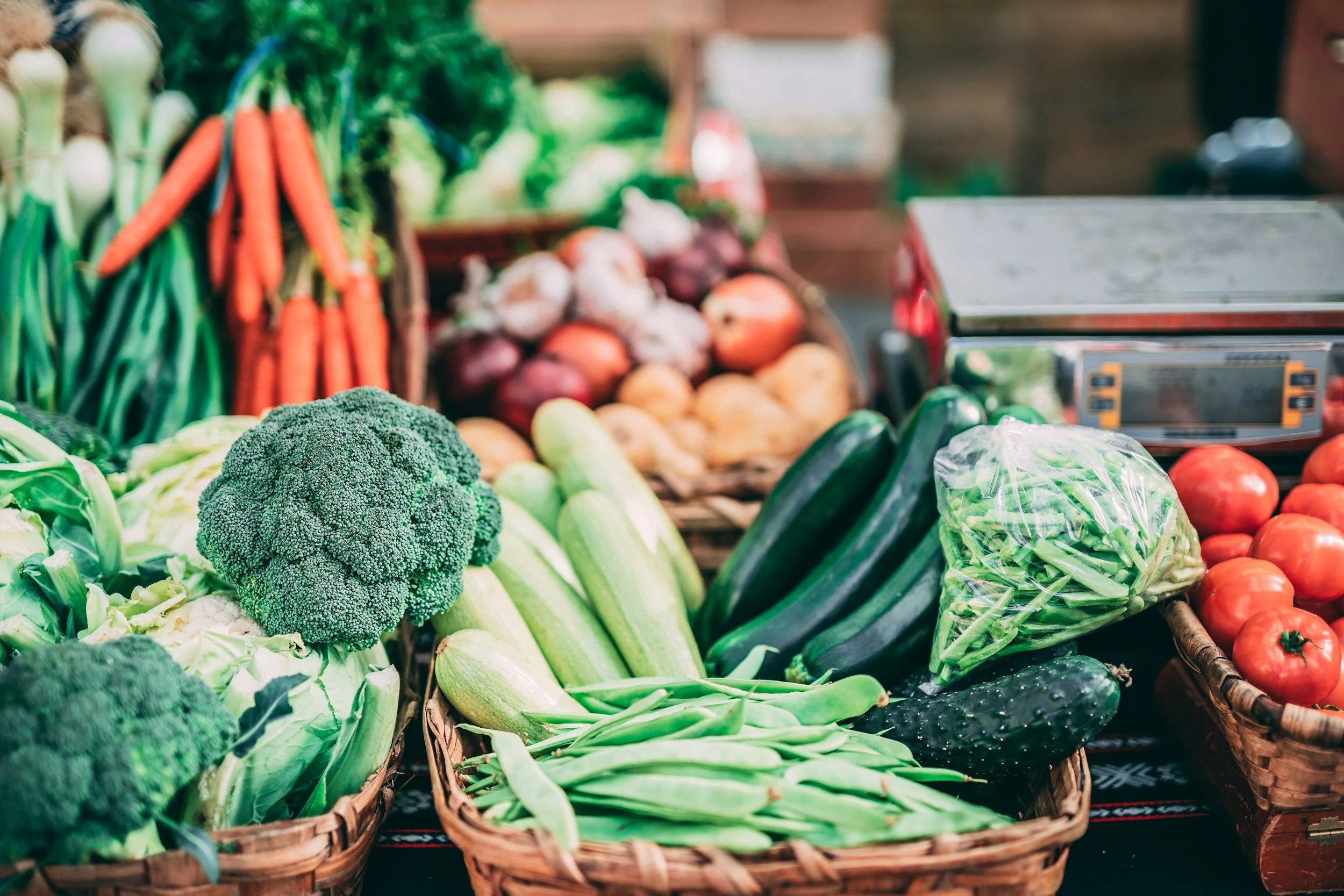
Load up on colourful veg and fibre to steady blood sugar, support digestion, and help take the edge off PMS
Your menstrual health toolkit
Certain nutrients pop up again and again in research (2,3) for supporting smoother cycles. Think of these as your go-to allies:
Iron → replaces what you lose during your period and keeps energy steady.
Magnesium → relaxes muscles, eases cramps, and helps with sleep.
Vitamin B6 (and other B vitamins) → support progesterone and mood balance.
Omega-3s → fight inflammation and soothe skin + cramps.
Vitamin D → helps balance hormones and reduce PMS.
Zinc → supports ovulation, skin, and immunity.
Managing common symptoms with nutrition
Now let’s put your nutrient toolkit into action:
Cramps – Lean on magnesium- and omega-3-rich foods (think salmon, dark chocolate, leafy greens). Curcumin from turmeric may also help.
Bloating – Stay hydrated, avoid too much processed salt, and add potassium-rich foods like bananas and sweet potatoes.
Skin breakouts – Balance blood sugar with steady meals, and add zinc-rich foods like pumpkin seeds or seafood.
Fatigue – Focus on iron- and B vitamin-rich foods, and pair them with vitamin C sources to boost absorption.
Alcohol and your cycle
Your cycle doesn’t just change how you respond to food—it can also affect how your body processes alcohol. If you drink alcohol, you may even notice it affects you differently at various times of the month. In the follicular phase (the first half of your cycle), rising oestrogen may help your body metabolise alcohol more efficiently. In the luteal phase, however, progesterone is higher, metabolism slows, and you may feel the effects more strongly—often alongside worse PMS, disrupted sleep, and cravings.

Alcohol can hit differently across your cycle: many feel it more in the luteal phase—often with worse PMS, cravings and sleep disruption.
Being mindful of when you choose to enjoy a glass of wine (and when to skip it) can make a noticeable difference in how you feel. If you do drink, pair alcohol with a meal containing protein and healthy fats to slow absorption, and alternate with water to stay hydrated. On days when alcohol feels less supportive, try a sparkling water with citrus or a kombucha for the same ritual without the side effects. Personally, I love Mother Root with sparkling water.
Final thoughts
Your cycle isn’t something to just “get through”—it’s an important indicator of overall health (check out Daye’s article “What does a health period look like?’). By adapting your nutrition to each phase, you can work with your body, not against it. Evidence is clear: a balanced, nutrient-rich diet with plenty of whole foods, and key support from nutrients like iron, magnesium, vitamin D, zinc, and omega-3s, can make your cycle easier and your wellbeing more consistent.
References
Rosen AK, Shruthi Mahalingaiah, Marie A. The menstrual cycle: a vital sign across the lifespan. 2025 Jul 1;100001–1.
Hatice Kübra Barcın Güzeldere, Emine Hilal Efendioğlu, Mutlu S, Havva Nur Esen, Gamze Nur Karaca, Beyzanur Çağırdar. The relationship between dietary habits and menstruation problems in women: a cross-sectional study. BMC Women s Health. 2024 Jul 12;24(1).
Brown N, Martin D, Waldron M, Bruinvels G, Farrant L, Fairchild R. Nutritional practices to manage menstrual cycle related symptoms: a systematic review. Nutrition Research Reviews [Internet]. 2023 Sep 25;37(2):1–24. Available from: https://www.cambridge.org/core/journals/nutrition-research-reviews/article/nutritional-practices-to-manage-menstrual-cycle-related-symptoms-a-systematic-review/F28E2DC079C7DC2F1AC07A0EFCDE0DE1