Looking beyond the quick fix: A conversation about women’s health
I recently had the pleasure of chatting with Kate Charter, founder of Kahāra, a wellness brand centred around chicory, a naturally caffeine-free alternative to coffee, and the idea that wellbeing is often found in simple daily rituals rather than doing more.
Kate and I discovered that we share a very similar philosophy when it comes to health—focusing on the foundations rather than chasing quick fixes. That made for a lovely conversation about women's health, covering everything from hormones, gut health to stress, fibre, endometriosis and the nutrition habits I find make the biggest difference in practice.
What you'll read below is an excerpt from our wider conversation. The headings are Kate's questions, followed by my answers that really highlight why, to me, the basics matter in women's health. If you'd like to read more about Kate's approach and Kahāra, you can visit www.kahara.co.
On a personal note, I've also been really enjoying Kahāra's chicory coffee recently. It's delicious black, with dairy or plant-based milk, and works just as well served over ice on warmer days as it does as a comforting hot drink. Kate has even inspired me to try this Chicory Banana Upside-Down Cake, which is now firmly on my to-do list!
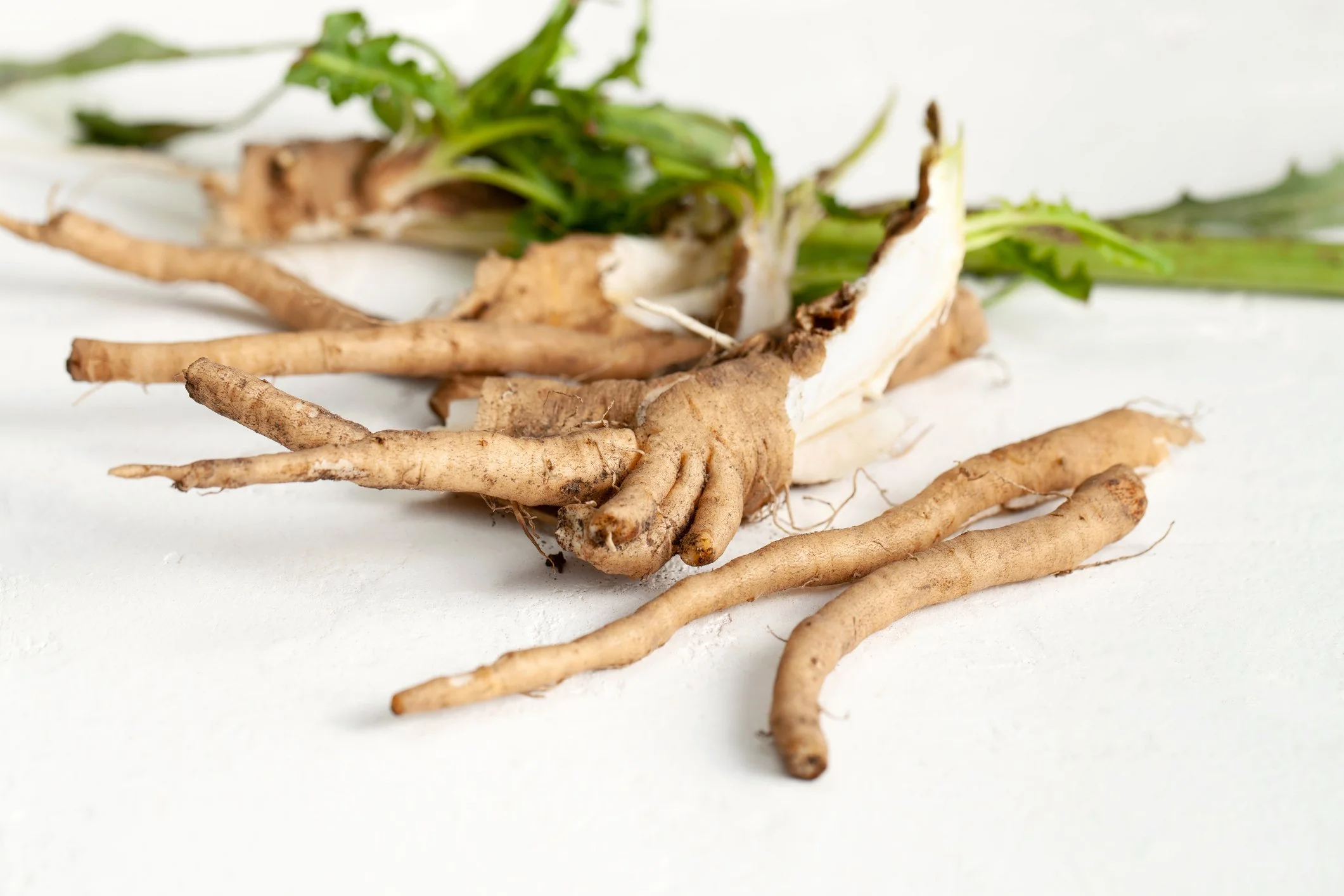
The humble chicory root has been used for generations as a naturally caffeine-free alternative to coffee—and sits at the heart of Kahāra's daily wellbeing ritual.
How connected are hormones, fertility, gut health, skin and mood?
They're incredibly connected. We often talk about hormones, gut health, skin or fertility as though they're separate parts of the body, but they rarely exist in isolation.
Nutrition, sleep, stress, movement and overall health all influence one another, which is why I always encourage women to look at the bigger picture rather than searching for one food, one supplement or one quick fix. Small, consistent habits that help your body feel well nourished can have positive ripple effects across multiple areas of health.
When should women start asking deeper questions about symptoms?
If a symptom is affecting your quality of life, it's always worth asking questions and remembering that you know your body better than anyone. If something doesn't feel right, it probably isn't.
Some symptoms are common, but that doesn't necessarily mean they're something you simply have to live with. Heavy, painful periods, persistent bloating or ongoing fatigue deserve to be explored, whether that's with your GP or another qualified healthcare professional. Even if there's no single explanation, understanding what's driving those symptoms is an important first step.
If there was one nutrition habit that could positively impact women's hormones over the long term, what would it be?
I'd say consistently nourishing your body.
For years, many women have been told to eat less, avoid certain foods or constantly strive for smaller portions. While there are times when reducing or avoiding certain foods may be appropriate, I often see the opposite in practice—women simply aren't eating enough to support their bodies and the demands of a busy, modern life.
Eating regular, balanced meals that provide enough energy, protein, healthy fats and fibre lays the foundation for healthy hormone function. I know it doesn't sound particularly exciting, but getting the basics right often makes a bigger difference than chasing the latest nutrition trend.

Supporting hormone health isn't about one 'superfood'—it's the everyday habit of consistently nourishing your body that makes the biggest difference.
Can we really "heal our hormones"?
I think that phrase risks oversimplifying something that's incredibly complex.
Hormones are constantly changing—not just across different stages of life, but throughout the menstrual cycle and even from one day to the next. They're part of an incredibly sophisticated communication system within the body.
Rather than talking about healing hormones, I prefer to think about supporting them—and supporting the body as a whole. Nutrition, sleep, movement and stress management can all influence hormonal health, but there's rarely one single thing that suddenly fixes our hormones.
Why does stress seem to affect everything?
Our bodies are incredibly clever. When we're under stress, they naturally prioritise dealing with what they perceive to be the immediate challenge.
In the short term, that's a really helpful survival response. But when stress is ongoing, systems that aren't essential for immediate survival—such as digestion and reproduction—can become affected.
That's one reason stress can influence everything from bloating and IBS symptoms to menstrual cycles and fertility. It doesn't mean stress is the sole cause of these issues, but it can certainly play a part.
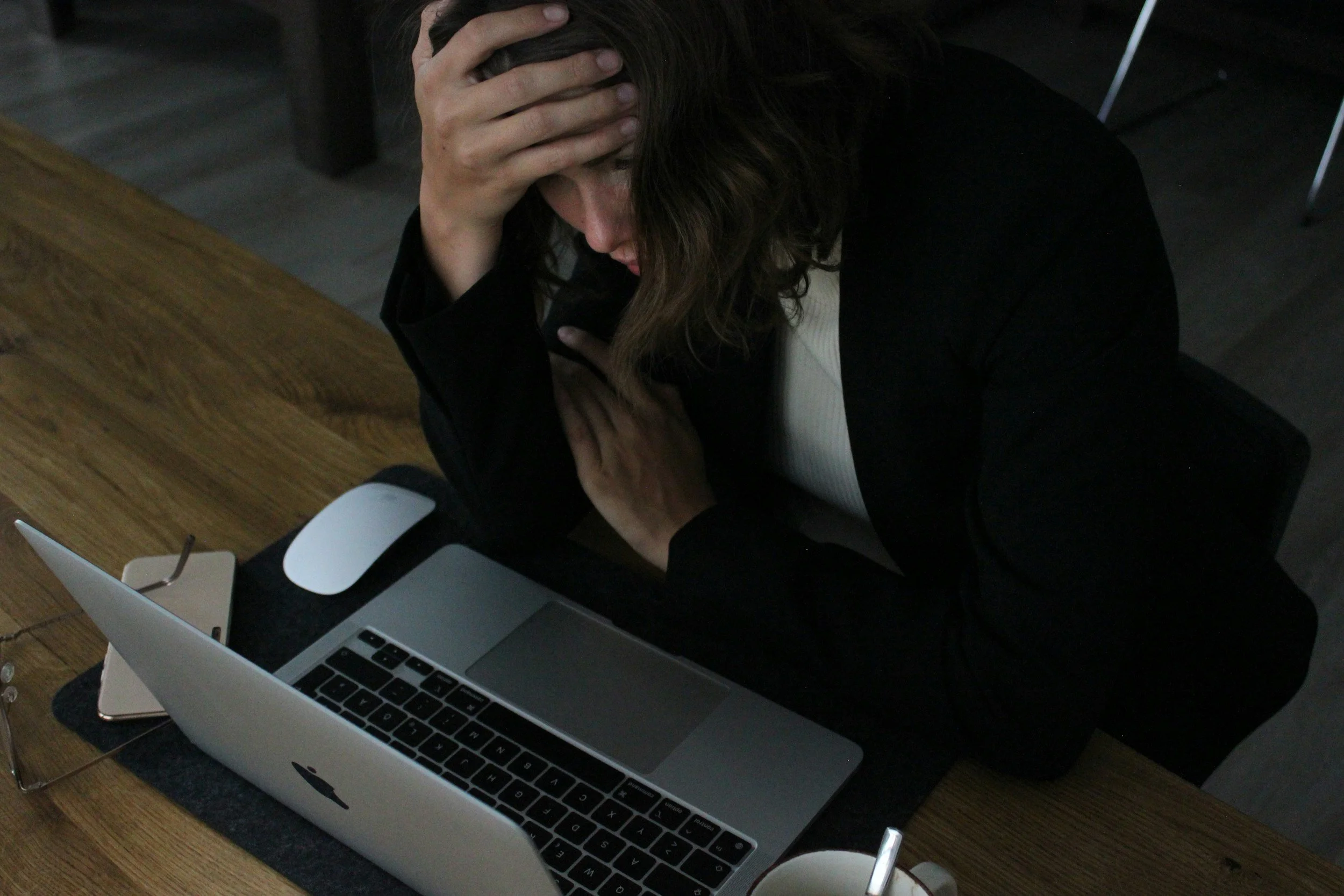
Our bodies are remarkably good at responding to stress, but when stress becomes a constant, other systems can begin to feel the effects.
What's your perspective on restrictive diets?
Restrictive diets absolutely have their place, but they should have a clear purpose and, ideally, be carried out with professional support.
Elimination diets, for example, can be incredibly helpful for identifying foods that genuinely trigger symptoms. The key is that they're designed to be structured and temporary—not a long-term way of eating.
What concerns me is when people begin cutting out more and more foods based on social media advice alone. Over time, that can make the diet unnecessarily restrictive and increase the risk of nutritional gaps. If you're considering removing entire food groups, make sure you're doing it for the right reasons, with the right support, and with a plan to reintroduce foods where appropriate.
What has having endometriosis taught you?
There are two things I wish I'd understood much sooner.
The first is that heavy, painful periods aren't something you should simply accept because you've been told they're "normal". In fact, periods are increasingly being recognised as another vital sign—a key indicator of health. If your periods are affecting your quality of life, or they've changed from what's normal for you, they're your body's way of telling you something deserves attention.
In my case, that was an early clue that was overlooked for many years. Instead, my symptoms were repeatedly managed with hormonal contraception, which helped suppress them but didn't explain why they were happening.
The second lesson was that a diagnosis is often just the beginning of the journey, not the end.
It can take years to receive an endometriosis diagnosis (on average 9 years and 4 months, as reported by Endometriosis UK), and once you finally have one it's easy to feel as though that's the end of the conversation. For me, it wasn't.
Surgery helped my symptoms, but the biggest turning point came when I started asking what might be contributing to my endometriosis. Through further investigations, over several years, with a team of specialist practitioners, I discovered that my body doesn't process oestrogen particularly efficiently, I have a genetic variation affecting some of my detoxification pathways, and I had imbalances in my gut microbiome. I believe these were all contributing factors, and addressing them has made a significant difference to my symptoms and quality of life.
Of course, everyone's experience of endometriosis is different, and getting to the root of what's contributing to your symptoms isn't always straightforward. But I do think we need to move beyond simply managing symptoms and start asking why they're happening in the first place. Even if we can't answer that question completely, it can often lead to better conversations, better support and, ultimately, better outcomes.
If every woman adopted one simple daily habit, what would you choose?
I'd encourage more women to prioritise a balanced breakfast.
I know that's not a one-size-fits-all recommendation. Some people genuinely enjoy intermittent fasting, and if they're healthy, meeting their nutritional needs and it works well for them, that's absolutely fine.
But for many of the women I work with, breakfast is often the meal that gets squeezed by busy mornings. When that happens, I frequently see low energy, brain fog, constant snacking and afternoon energy crashes.
Starting the day with protein, fibre and healthy fats can make a real difference to energy, concentration and feeling satisfied. There isn't one perfect breakfast, but taking time, where you can, to properly nourish yourself before the day gets away from you is one of the simplest habits I regularly see making a positive difference.
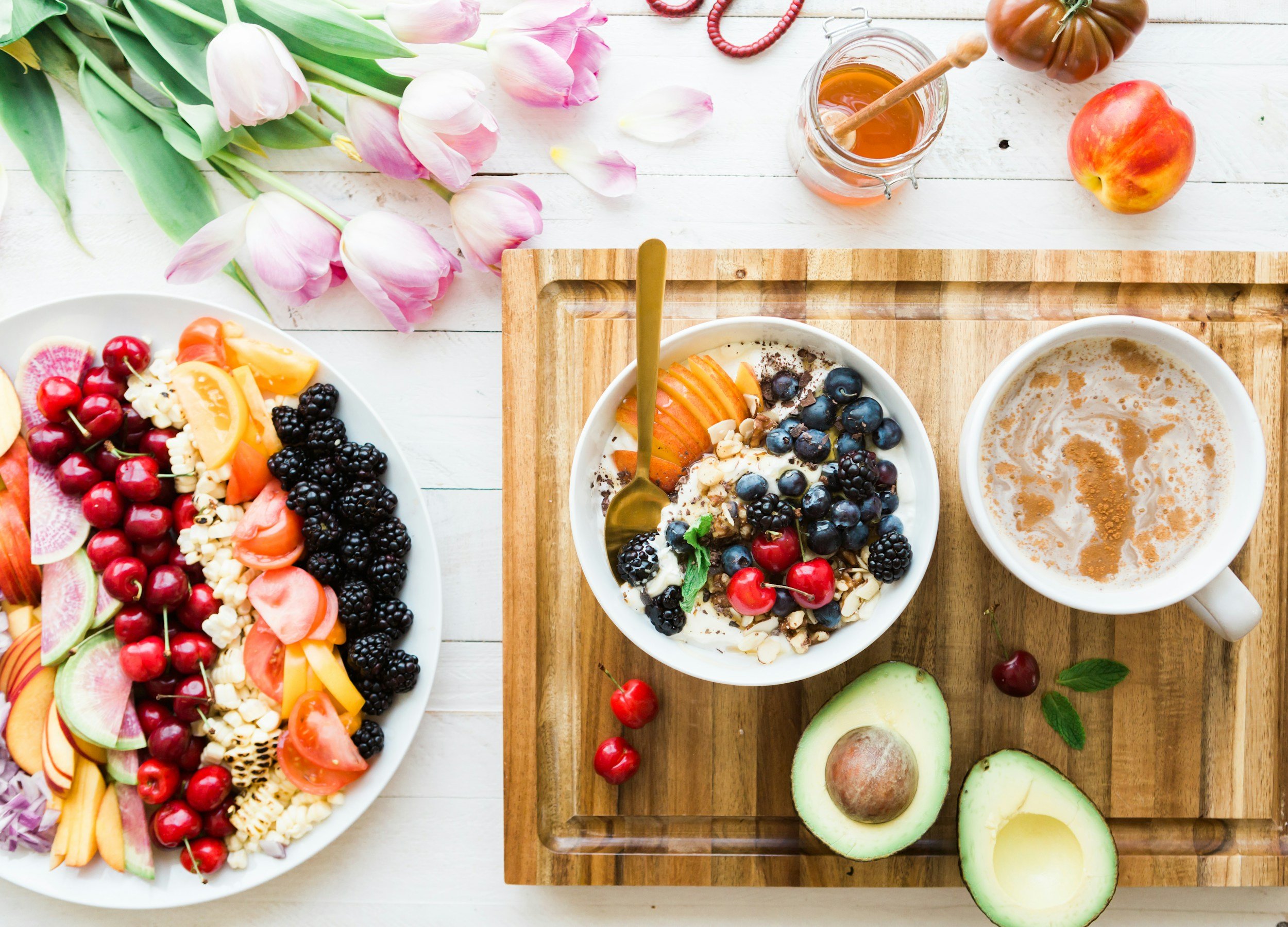
A nourishing breakfast can set the tone for the rest of the day, helping to support energy, focus and balanced appetite.
Why is fibre so important?
I always say that fibre does so much more than help us stay regular—and yet most of us still aren't eating the recommended 30g a day.
Fibre feeds the beneficial bacteria in our gut, supports digestion, helps us feel fuller for longer, contributes to healthy cholesterol levels and plays a role in blood sugar regulation. Some types of fibre are also fermented by our gut microbes, producing compounds that help support the gut lining and overall health.
The good news is that increasing fibre doesn't have to happen overnight. Small, consistent changes—adding more fruit, vegetables, beans, wholegrains, nuts and seeds—can make a meaningful difference to your health over time.
If there's one thing I'd encourage you to take away from this conversation, it's that your health doesn't exist in separate chapters. Hormones, gut health, stress, nutrition and lifestyle are all connected, and supporting the foundations can often have a much bigger impact than chasing the next quick fix. If you’d like to talk about nutrition, you can book a free intro call to learn more.