Should you be eating 30 plants a week?
If, like me, you grew up being told to eat your five a day, you might be wondering why we now hear that we should be eating 30 different plants a week. Is 30 the new five — and do we really need another number to think about?
The idea can be traced back to the American Gut Project, where scientists looked at stool samples and eating habits from more than 11,000 people. One of the findings was that people who reported eating more than 30 different plant foods a week tended to have a more diverse gut microbiome than those eating 10 or fewer.
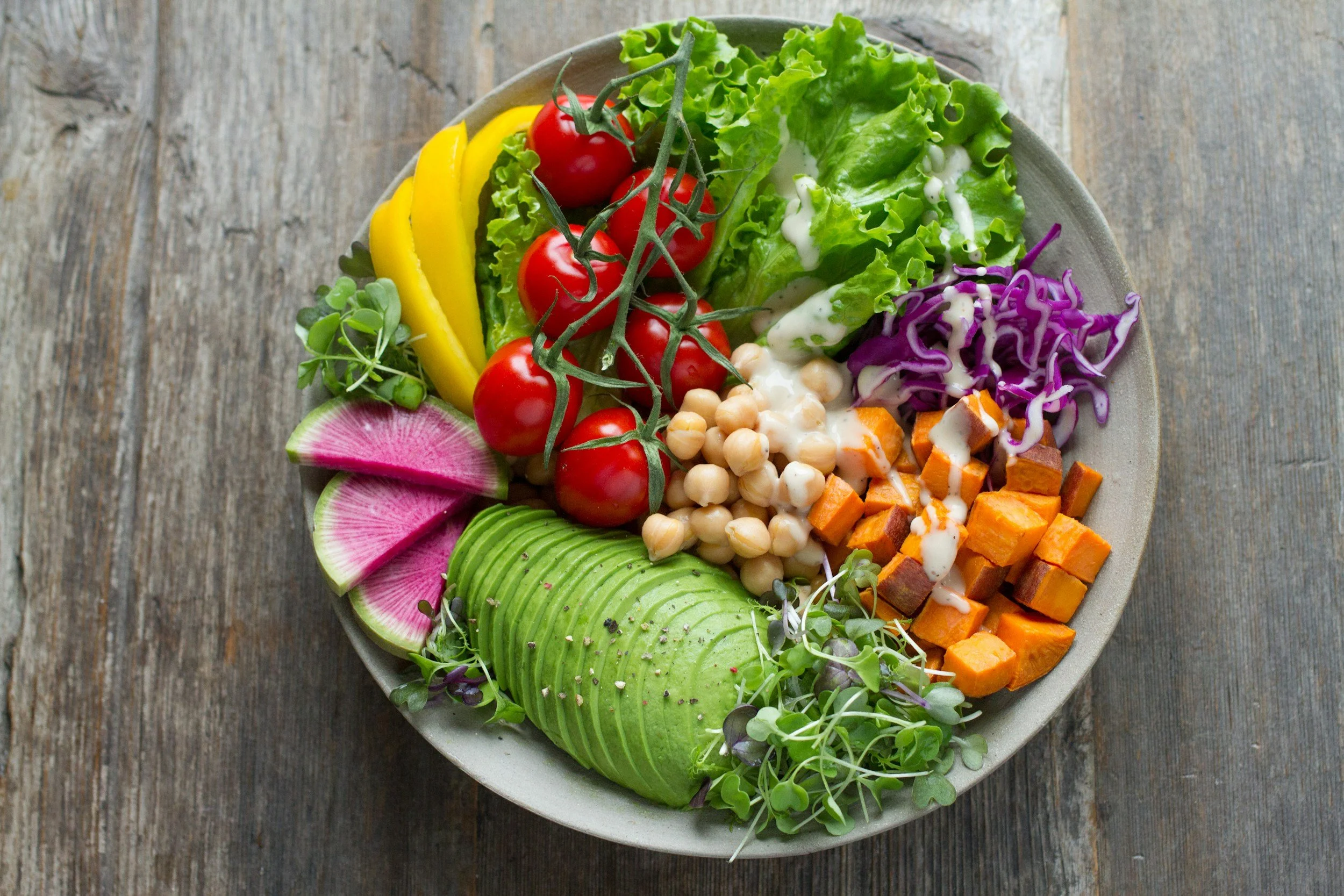
Research suggests that a diet rich in plant foods supports a healthy gut microbiome
So, why does plant diversity matter, what actually counts towards your 30, and how realistic is it to get there?
Why does plant diversity matter?
Our gut microbiome is made up of trillions of microorganisms, all of which thrive on different components found in our diet.
Plant foods provide lots of these, in huge variety, including different types of fibre and plant compounds known as polyphenols.
One helpful way to think about your gut microbiome is like a rainforest. When it’s thriving, a rainforest is packed with different plants, trees and animals, all living alongside each other and playing different roles. The same is true of our gut. It’s home to a huge community of microorganisms, all doing different jobs.
But, just like a rainforest, our delicate internal ecosystem can be disrupted. You might lose some of that variety, while other species start to take over. In the gut, this kind of imbalance is often referred to as dysbiosis. Consequently, we want to ensure our gut has everything it needs and this is where the 30 plants a week idea comes into play.
What actually counts towards your 30?
In practice, eating 30 different plants doesn't mean eating 30 different fruits and vegetables. So first, let’s look at what counts.
Fruit and vegetables count, of course, but so do wholegrains, beans and lentils, nuts, seeds, herbs and spices. So you may already be eating a much wider variety of plants than you realise.
For example, a bowl of porridge topped with blueberries, raspberries, walnuts, chia seeds and cinnamon already includes six different plants — and that’s just at breakfast.
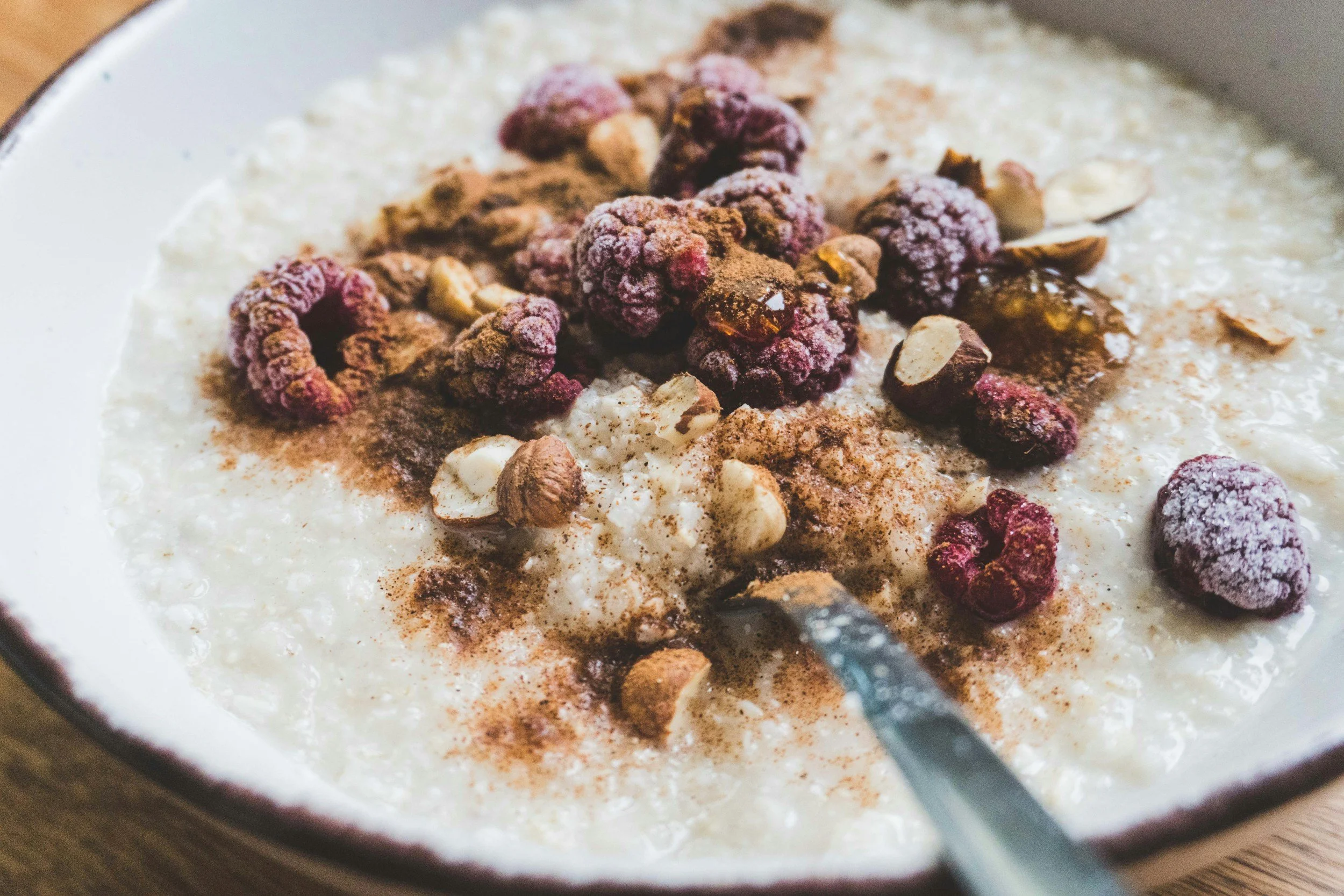
Adding berries, nuts, spices and seeds to porridge is a simple way to add more variety to your breakfast
And you don't need to eat a full portion of each one for variety to be useful. Adding a sprinkle of seeds, a handful of herbs or an extra vegetable to something you're already eating can all help broaden the range of plant foods in your diet.
And what about your five a day?
Your 30 plants don't replace your five a day — the two are really looking at slightly different things.
The UK's five-a-day recommendation encourages us to eat at least five 80g portions of fruit and vegetables every day, whereas the 30-plants idea is about variety across the week — and includes a much broader range of plant foods.
You could, for example, eat an apple, banana, carrots, broccoli and peas every day and hit your five a day, but you'd still only be eating five different plants and that does not a diverse gut microbiome make!
So rather than choosing between the two, I like to think of it as getting enough plants and mixing up the ones you eat.
How realistic is 30 plants a week?
As we’ve just covered, getting to 30 is probably more realistic than you think. And it doesn’t need to mean overhauling the way you eat, spending a fortune, or filling your trolley with 30 different vegetables.
I like to recommend looking at what you already eat and finding small opportunities to add a little more variety.
Choose mixed versions: mixed nuts, mixed seeds, mixed beans or frozen mixed berries can give you several different plants in one go.
Add rather than overhaul: throw some spinach and herbs into a pasta sauce, add berries to your breakfast or sprinkle seeds over a salad.
Make use of herbs and spices: they add to your plant variety too! Garlic, ginger, basil, coriander, cinnamon, turmeric — it all helps to mix things up.
Rotate your staples: if you always eat rice, try barley or bulgur wheat one week; swap your usual apple for a pear; or simply choose a different vegetable when you're shopping.
Let meals do the heavy lifting: soups, curries, stir-fries, salads and traybakes are all easy places to combine several different plants.
Do I actually need to hit 30?
Not necessarily. Thirty is a useful target, but it’s not a magic number. Hit 30 and you won’t suddenly be reborn with the world’s healthiest gut. But that doesn't mean the target isn't useful. What the research does suggest is that eating a greater variety of plants is associated with greater microbial diversity.
So, if you're currently eating 10 different plants a week, upping your game to 15 or 20 is a brilliant place to start. You don’t need to obsessively count every plant you eat — think of 30 as something to aim towards rather than another nutrition rule you have to get “right”.
And there’s another good reason to mix things up. Different foods provide different vitamins, minerals, fibres and plant compounds, so eating a varied diet also helps you get a broader range of nutrients. In short, there’s really very little downside to adding more variety to your plate.
Put it into practice
And if you’re wondering what all of this looks like in practice, here are a few of my recipes that pack plenty of plant variety into one meal:
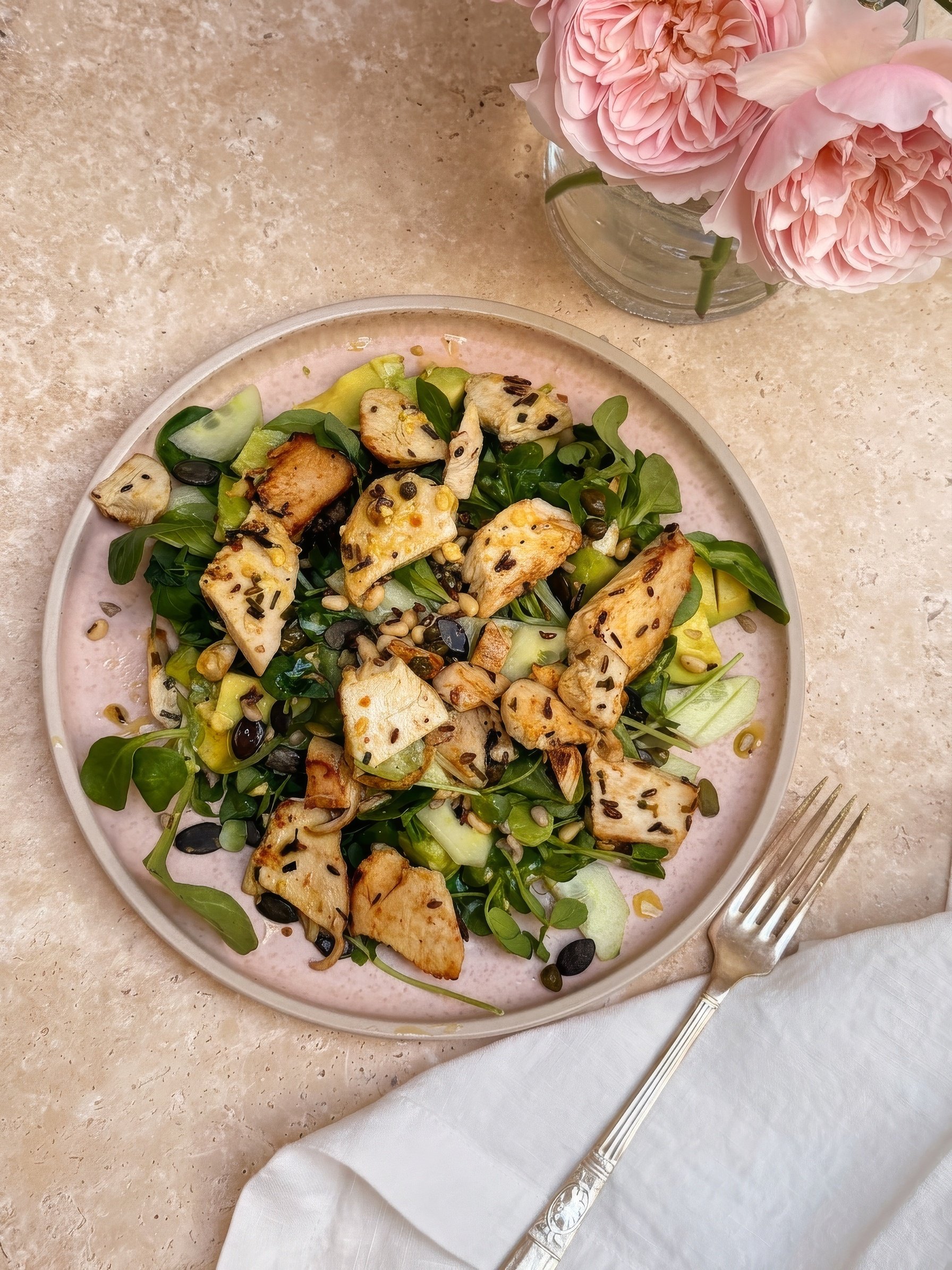
My Orange & fennel chicken salad combines pea shoots, lamb's lettuce, cucumber, avocado, pumpkin and sunflower seeds, pine nuts, fennel seeds, garlic and chives — that's at least 10 different plant foods in one meal.
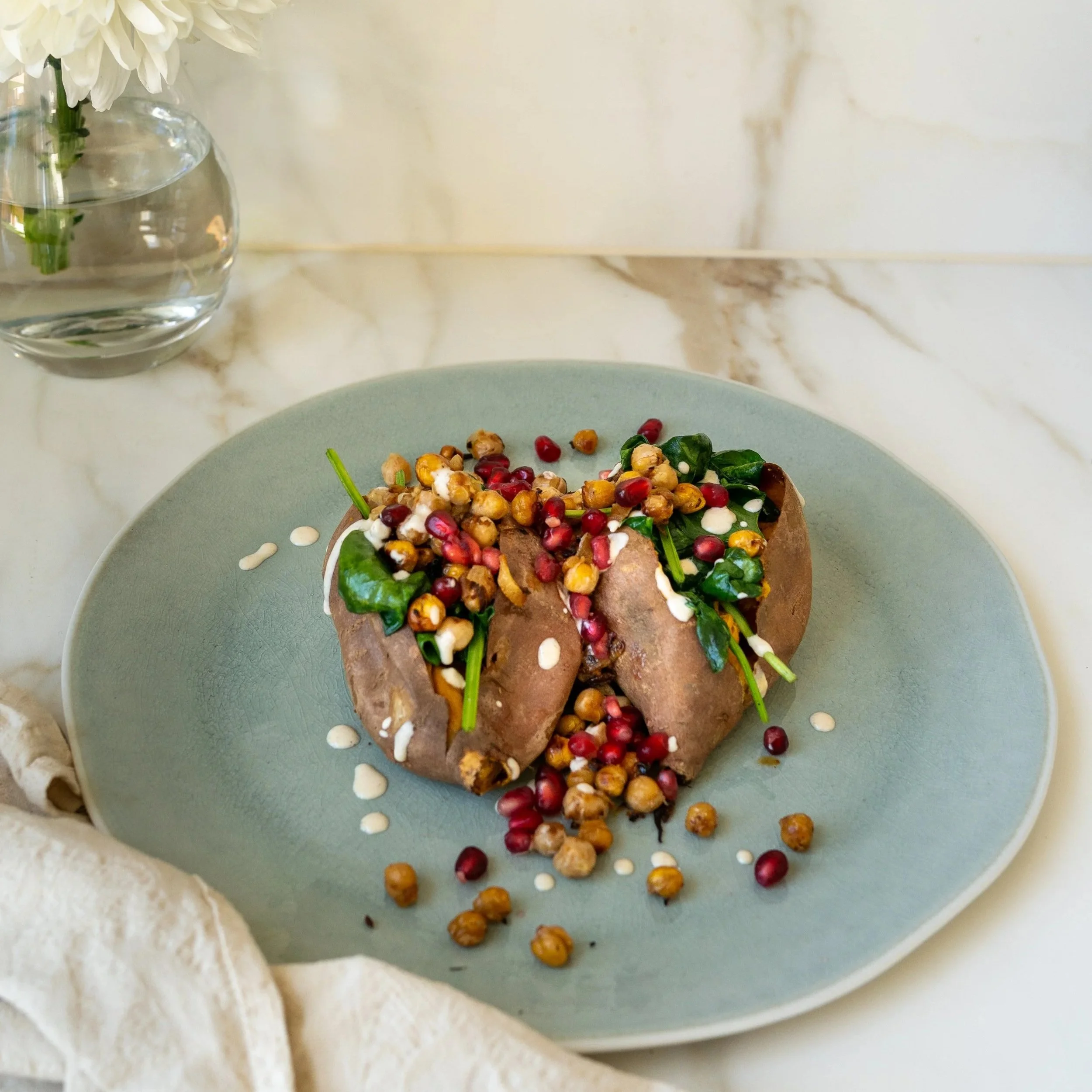
My Chickpea-stuffed sweet potatoes contain at least 9 different plant foods in one meal, including chickpeas, spinach, pomegranate, tahini, onion and garlic. Proof that getting more variety doesn't have to mean adding 10 different vegetables to your plate.
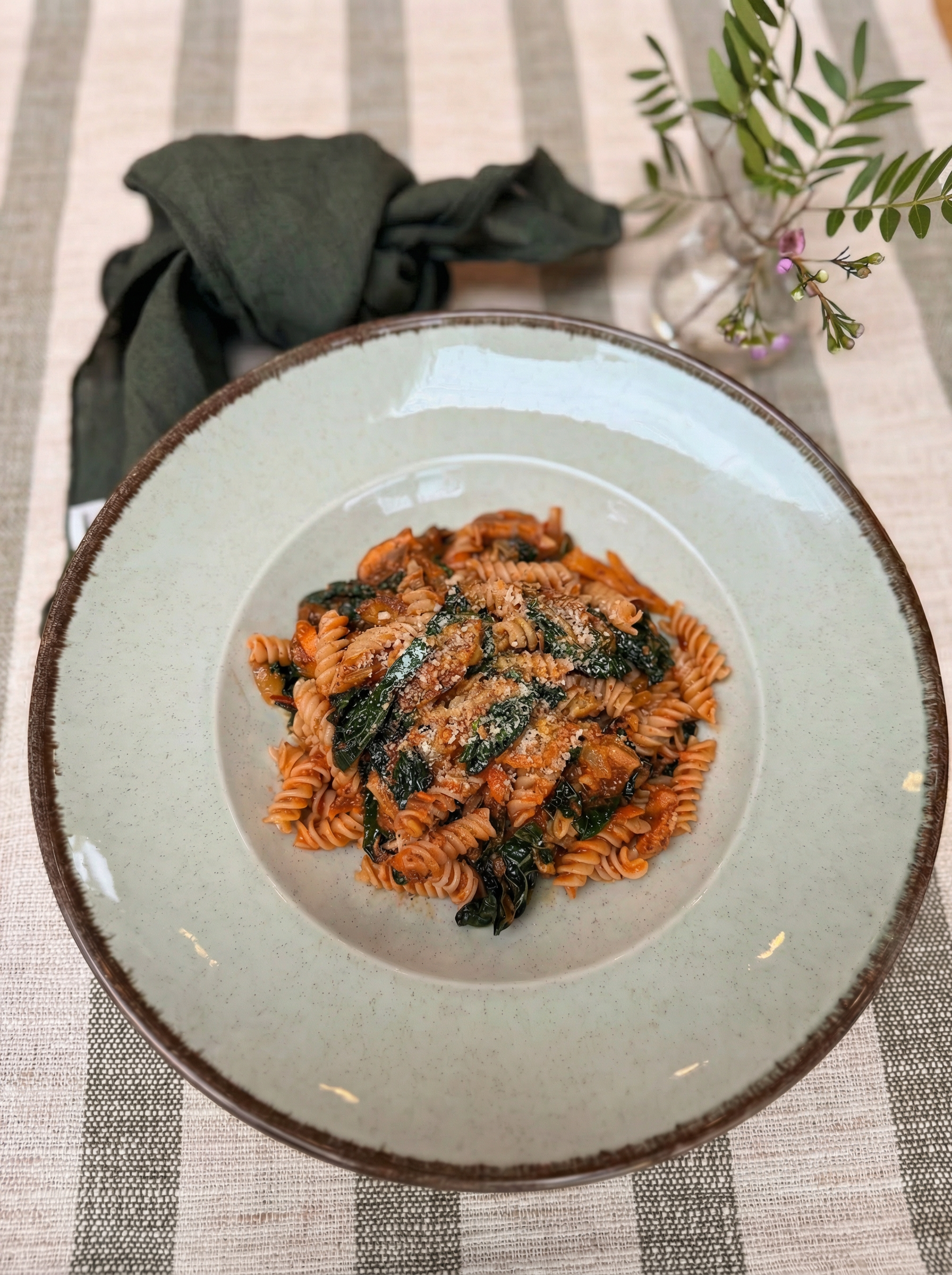
My Nourishing sardine and greens pasta packs in at least 6 different plant foods in one simple meal, including tomatoes, cavolo nero, onion, garlic, lemon and parsley — a great example of how plant variety can build up without needing to make your meals more complicated.
The 30 Plant Challenge 🌱
So, how much variety are you actually getting?
For the next seven days, keep a tally of the different plant foods you eat — fruit, vegetables, wholegrains, beans and lentils, nuts, seeds, herbs and spices all count.
At the end of the week, see where you land. Whether it's 12, 22 or 35, the exercise will help you to notice where you could easily add a little more variety.